
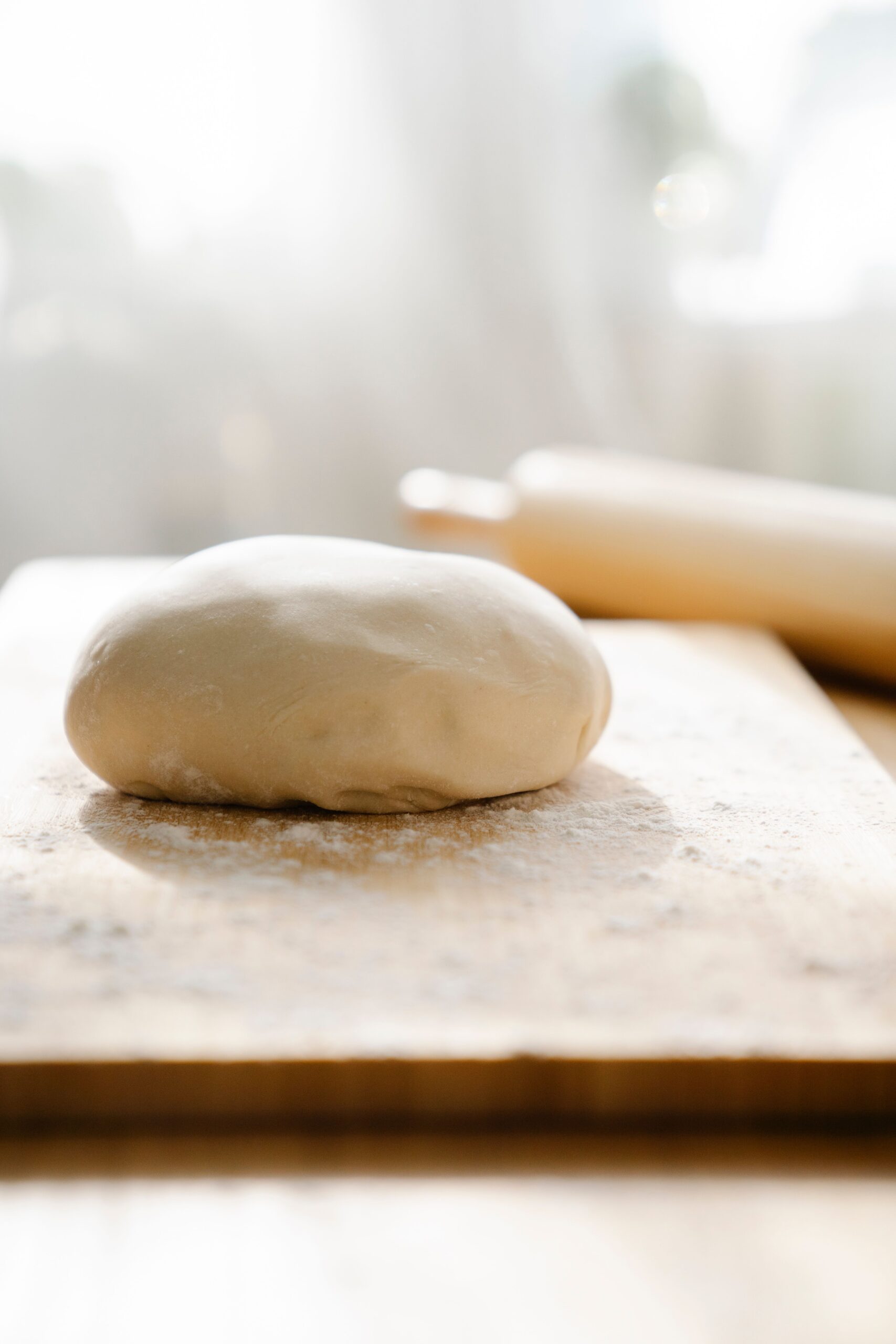
This easy homemade pizza dough recipe is made with all-purpose flour, yeast, warm milk, oil, and a small amount of sugar and salt. After kneading and rising, the dough becomes soft and easy to shape into a homemade pizza base with a lightly chewy texture.
Learning how to make pizza dough from scratch gives you a versatile base for chicken pizza, vegetable pizza, BBQ chicken pizza, and other homemade pizza recipes. The dough is kneaded until smooth and elastic, allowed to rise until approximately doubled in size, and then shaped into a 12-inch pizza base before baking.
If you are making pizza dough at home for the first time, the step-by-step method below explains how to mix the ingredients, add the liquid gradually, knead the dough correctly, allow enough rising time and shape the pizza crust before baking.

Why Make Homemade Pizza Dough?
Making pizza dough at home gives you control over the flour, salt, oil and thickness of the pizza base. The same dough can be shaped for different homemade pizzas and adjusted according to how thick or thin you prefer your crust.
Allowing the dough enough time to rise helps develop its texture, while proper kneading makes it smoother and easier to stretch. Once you learn the basic method, the same homemade pizza dough can be used with a variety of sauces, cheeses and toppings.
Pizza Dough Recipe Information
- Prep Time: 5 minutes
Kneading Time: 8–10 minutes
Rise Time: approximately 1 hour
Bake Time: 18–20 minutes
Total Time: 1 Hour 35 Minutes
Yield: 2 × 12-inch pizza bases
Servings: 6 slices per pizza
Pizza Dough Ingredients
The recipe above will require:
- 2 cups all-purpose flour
- 1 teaspoon instant yeast
- 1½ teaspoons sugar
- 1 teaspoon salt
- ¼ cup warm milk
- 4 tablespoons oil
- 5-6 tablespoons warm water (as necessary)
This is a light and tasty dough that makes for a great homemade pizza.
A step-by-step pizza dough recipe.
Step 1: Combine the Dry Ingredients
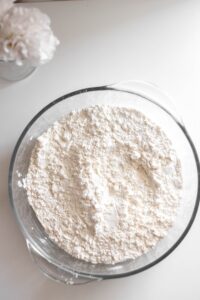
Add the all-purpose flour, instant yeast, sugar and salt to a large mixing bowl. Mix until the ingredients are evenly distributed.

Step 2: Add the Milk and Oil
Add the warm milk and oil to the dry ingredients. Mix until the flour begins to absorb the liquid and a rough dough starts to form.
Step 3: Add the Warm Water Gradually
Add the warm water 1 tablespoon at a time, mixing after each addition. You may need approximately 5–6 tablespoons in total, depending on how much liquid your flour absorbs. Stop adding water once a soft, slightly sticky dough forms.
Different flour brands and environmental conditions can affect how much water the dough absorbs, so add the water gradually rather than pouring it in all at once.

Step 4: Knead the Pizza Dough
Transfer the dough to a clean work surface and knead for about 8–10 minutes, or until it becomes smooth and elastic. The dough should feel soft and should slowly spring back when pressed lightly with a finger.

Step 5: Let the Dough Rise
Transfer the dough to a lightly oiled bowl and cover it with a clean kitchen towel or plastic wrap. Leave it in a warm place for about 1 hour, or until approximately doubled in size. The risen dough should look noticeably puffier and contain small air pockets.
Step 6: Shape the Pizza Base
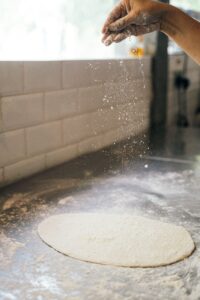
After the dough has risen, divide the risen dough into two equal portions. Coat pizza tray with a little oil. Transfer dough to a tray and work it into an even layer with your hands.
For a more airy edge, gently stretch the dough with your hands instead of pressing out all the air with a rolling pin.
Now, Assemble the pizza by adding the topping like, Cheese, fried chicken cubes, capsicum or olives. Bake it in a preheated oven at 170C for 20-25 Minutes.
How to Know When Pizza Dough Is Ready
Properly kneaded pizza dough should feel smooth, soft and elastic rather than dry or crumbly. When pressed lightly with a finger, the dough should slowly spring back. If it tears very easily during kneading, it may need a little more kneading time.
After rising, the dough should look noticeably larger and contain visible air pockets. Rising time can vary depending on room temperature, so use the appearance and size of the dough as well as the clock.
Tips for the Best Homemade Pizza Dough.
- Use comfortably warm, not hot, liquids. Excessive heat can damage the yeast, while very cool liquid can slow the rise
- Knead properly, as lot of novices skip this step. A good dough structure is achieved through proper kneading.
- Leave adequate rise time because properly risen dough will have a better flavor and texture.
- Bread flour can produce a chewier texture, but it may absorb liquid differently from all-purpose flour. If you substitute it, adjust the water gradually as needed.
- Preheat the Oven For a crispy outside and soft center.
How to Make a Soft and Chewy Pizza Crust
A soft pizza crust starts with a dough that contains enough moisture. Add flour only as needed during kneading, because adding too much can make the finished crust dense and dry.
Proper kneading helps create an elastic dough, while the rising stage allows air pockets to develop. When shaping the pizza base, handle the dough gently so you do not press out all of the trapped air, especially around the outer edge.
Common Mistakes When Making Pizza Dough
- Avoid very cold water when you want a faster rise, as it can slow fermentation. The liquid should be comfortably warm, not hot.
- Don’t add more flour than needed because too much flour will cause dough to be tough and dry.
- Under-kneaded dough may feel less elastic and can be harder to stretch evenly.
- Skipping the Rise because the rising stage allows the dough to expand and develop air pockets. Shaping it too early can result in a denser pizza crust.
- Adding too much flour as the dough should remain soft and slightly tacky. Adding excessive flour during kneading can produce a dry, dense crust
Refrigerator Storage
After the dough has risen, place it in a lightly oiled airtight container and refrigerate 3 days. Before shaping, allow the chilled dough enough time to become easier to stretch.
Freezer Storage
Wrap the dough securely and freeze in an airtight freezer-safe container. Thaw overnight in the refrigerator, then allow it to soften enough to stretch before shaping.
Pizza Topping Ideas
Once your homemade pizza dough is ready, you can use it as the base for several pizzas on Unique Crumbs.
You can make Chicken Pizza by using grilled chicken, mozzarella cheese, onions, and bell peppers.
Veggie Pizza can be made by topping with mushrooms, tomatoes, olives, and sweet corn.
Pepperoni Pizza is made by pepperoni slices, mozzarella cheese and pizza sauce.
BBQ Chicken Pizza is made from BBQ sauce, chicken chunks, red onions, and cheese.
Nutrition Notes
Homemade pizza dough is primarily made from flour, with oil contributing fat and milk adding additional nutrients depending on the type used. The amount of sodium, carbohydrates, fat and calories will depend on the exact ingredient quantities and the size of each pizza base.
If part of the all-purpose flour is replaced with whole-wheat flour, the dough may contain more fibre, but the texture and liquid requirements can also change. If you provide nutrition values, calculate them using the exact recipe and confirmed number of pizza bases and servings
Frequently Asked Questions
Q) Can I make pizza dough without milk?
Ans) Yes. Replace the warm milk with an equal amount of warm water. The finished crust may have a slightly different flavour or texture.
Q) Why didn’t my pizza dough rise?
Ans) Possible causes include inactive yeast, liquid that was too hot, a very cool room or insufficient rising time. Check the yeast freshness and use comfortably warm rather than hot liquid.
Q) Is it possible to freeze pizza dough?
Ans) Yes. Pizza dough can be frozen for later use. Wrap it securely, thaw it overnight in the refrigerator and allow it to soften before shaping.
Q) Which flour is best for homemade pizza dough?
Ans) This recipe uses all-purpose flour. Bread flour can produce a chewier texture, but it may absorb liquid differently, so the water may need adjustment.
Q) Why is my pizza dough too sticky?
Ans) Pizza dough can feel slightly sticky before and during kneading. Add water gradually and avoid immediately adding large amounts of extra flour. As the dough is kneaded, it should become smoother and easier to handle.
Final Thoughts
This homemade pizza dough recipe gives you a simple base for making pizza from scratch with all-purpose flour, instant yeast, warm milk, oil and water. The most important steps are adding the liquid gradually, kneading until the dough becomes smooth and elastic, and allowing enough time for the dough to rise before shaping.
Once the pizza dough has risen, it can be shaped into a homemade pizza base and topped with pizza sauce, mozzarella cheese, chicken, vegetables or other toppings. For the best texture, keep the dough soft, avoid adding excessive flour and handle it gently while shaping so some of the air developed during rising remains in the crust.
You can use this pizza dough for my Homemade Chicken Pizza, Homemade Veg Pizza and BBQ Chicken Pizza recipes, making it a useful basic pizza dough recipe to keep for different homemade pizza combinations.
About The Author

Leave a Reply